.png)
.png)


The Science of Sleep Cycles: Optimizing Your Rest for Better Recovery (Full Article)

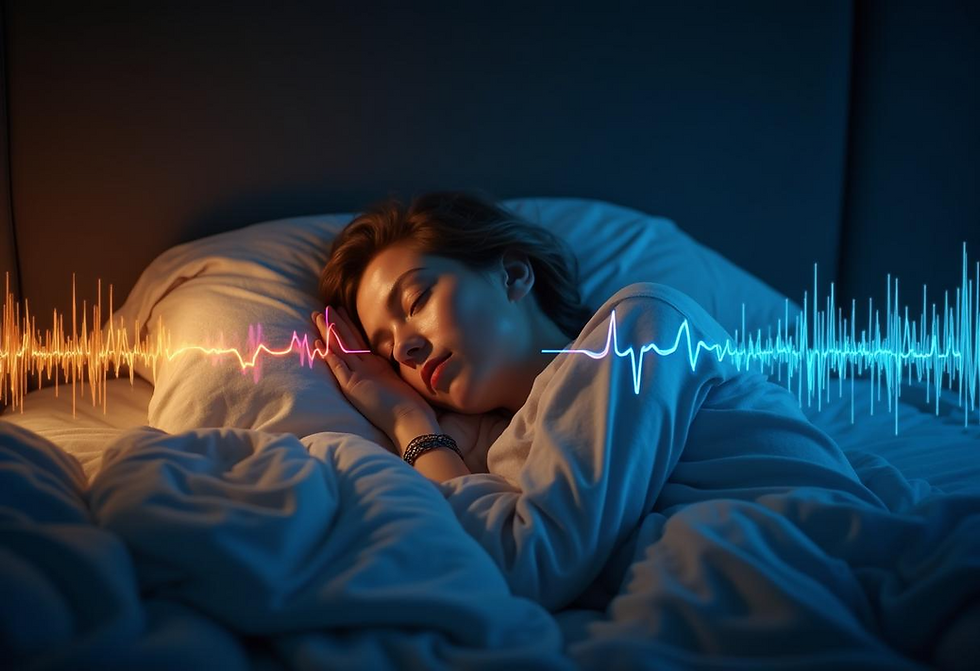
Introduction: Understanding the Foundation of Restorative Sleep
Sleep isn't just a passive state of rest—it's an active, complex process essential for your physical and mental wellbeing. Despite spending approximately one-third of our lives asleep, many of us struggle to optimize this crucial biological function. The concept of sleep cycle optimization has emerged as a key focus in health science, offering pathways to enhance not just the quantity, but the quality of our rest.
Sleep cycles consist of distinct stages, each serving unique biological purposes. When these cycles flow naturally without disruption, we wake feeling refreshed and cognitively sharp. When they're fragmented or incomplete, even eight hours of sleep can leave us feeling exhausted and foggy-headed.
This comprehensive article explores the intricate science behind sleep cycles and provides research-backed strategies to optimize your sleep architecture. Whether you're struggling with insomnia, facing mid-day energy crashes, or simply looking to maximize your cognitive and physical performance, understanding and optimizing your sleep cycles can be transformative.
The Architecture of Sleep: Understanding Your Sleep Cycles
The Stages of Sleep Explained
Sleep isn't a uniform state but rather a dynamic process that moves through several distinct stages throughout the night. A complete sleep cycle typically lasts 90-110 minutes, with the average person experiencing 4-6 cycles per night.
NREM Stage 1 (N1): This initial transition from wakefulness to sleep typically lasts just 1-5 minutes. During this light sleep stage, your muscles begin to relax, your heartbeat and breathing slow, and your brain waves shift from the alert beta waves of wakefulness to the slower alpha and theta waves. You can be easily awakened from this stage, which is why you might sometimes experience sudden muscle jerks (hypnic jerks) that startle you awake.
NREM Stage 2 (N2): In this deeper sleep stage lasting approximately 25 minutes, your body temperature drops, and eye movements stop. Your brain produces characteristic sleep spindles and K-complexes—bursts of brain activity that scientists believe help process memories and information. This stage comprises about 50% of your total sleep time.
NREM Stage 3 (N3): Known as deep sleep or slow-wave sleep, this stage is marked by delta waves—the slowest and largest brain waves. During this crucial phase, your body conducts most of its physical repair and restoration work. Blood flow increases to muscles, tissue growth and repair occurs, immune function strengthens, and energy is restored. Waking someone from deep sleep is difficult and often results in sleep inertia—that groggy, disoriented feeling.
REM (Rapid Eye Movement) Sleep: The final stage of each cycle, REM sleep is when most dreaming occurs. Your brain becomes highly active—in some ways more active than when awake—while your body experiences temporary muscle paralysis (to prevent you from acting out dreams). REM sleep is vital for cognitive functions including emotional processing, learning, and memory consolidation. The first REM period of the night typically lasts only about 10 minutes, but extends longer in successive cycles, potentially reaching up to an hour in the final cycles of the night.
The Natural Progression of Sleep Throughout the Night
Your sleep architecture has a distinctive pattern across the night. During the first half of the night, you spend proportionally more time in deep NREM sleep (especially N3), which prioritizes physical recovery. As the night progresses, REM sleep periods lengthen while deep sleep diminishes, shifting the focus to mental restoration and cognitive processing.
This natural progression explains why early sleep is particularly important for physical recovery, while the hours before waking are critical for mental restoration. It also clarifies why fragmented sleep or consistently getting less than 7 hours can be so detrimental—you're likely cutting short the extended REM periods that occur in the latter part of your sleep.
How Sleep Cycles Change with Age
Sleep architecture undergoes significant changes throughout our lifespan:
Infants: Newborns spend about 50% of their sleep in REM (compared to adults' 20-25%), reflecting the critical role of REM sleep in brain development. They also enter REM sleep directly after falling asleep, unlike adults who begin with NREM sleep.
Children and Adolescents: Children experience more deep N3 sleep than adults, supporting their physical growth. During adolescence, the body's circadian rhythm naturally shifts later, explaining why teenagers often struggle with early school start times.
Adults: By early adulthood, sleep architecture stabilizes into the pattern described above, with approximately 75-80% NREM and 20-25% REM sleep.
Older Adults: As we age, sleep becomes more fragmented with more frequent awakenings. The amount of N3 deep sleep decreases significantly, and REM sleep may become somewhat reduced. This helps explain why many older adults report less restorative sleep even if their total sleep time remains adequate.
Understanding these age-related changes can help you set realistic expectations and adopt appropriate sleep strategies for your life stage.
The Science of Sleep Cycle Optimization
How Circadian Rhythms Impact Sleep Quality
Your body's internal clock—known as the circadian rhythm—is perhaps the most powerful factor influencing your sleep cycles. This 24-hour biological timekeeper regulates not just sleep and wakefulness, but also hormone release, body temperature, digestion, and other important bodily functions.
The suprachiasmatic nucleus (SCN) in your hypothalamus serves as your master clock, orchestrating these rhythms primarily through light exposure signals from your eyes. When functioning optimally, your circadian rhythm promotes alertness during daylight hours and facilitates sleep when darkness falls.
However, modern life often disrupts these natural patterns. Artificial lighting, particularly blue light from electronic devices, can suppress melatonin production—the hormone that signals to your body that it's time to sleep. Irregular schedules, shift work, and jet lag can further desynchronize your internal clock from the external environment, a state known as circadian misalignment.
Research shows that aligned circadian rhythms are critical for sleep cycle optimization. A 2018 study published in the Journal of Sleep Research found that individuals with stronger circadian rhythms experienced more consolidated deep and REM sleep, along with fewer nighttime awakenings.
Sleep Pressure: The Homeostatic Sleep Drive
While circadian rhythms act as your internal clock, sleep pressure (also called sleep drive or sleep homeostasis) functions as your internal sleep accountant, keeping track of how long you've been awake.
This homeostatic process is governed by the accumulation of adenosine, a byproduct of cellular energy use, in your brain throughout your waking hours. As adenosine levels rise, so does your sleepiness. During sleep, especially deep sleep, adenosine is cleared from your system, resetting your sleep drive.
The interplay between your circadian rhythm and sleep pressure—known as the two-process model of sleep regulation—determines both when you feel sleepy and how efficiently you cycle through sleep stages. Optimal sleep occurs when these two processes are properly aligned, with high sleep pressure coinciding with the circadian signal for sleep.
The Critical Role of Sleep Cycle Continuity
Research increasingly indicates that the continuity of sleep cycles may be as important as their quantity. Each time your sleep is interrupted, even briefly, your brain may restart the sleep cycle rather than picking up where it left off. This is particularly problematic when disruptions occur during deep sleep or REM sleep, as your body might not get adequate time in these restorative stages.
A 2014 study in the journal Sleep demonstrated that fragmented sleep negatively affected attention, working memory, and mood even when total sleep time remained constant. Furthermore, chronic sleep fragmentation has been linked to increased inflammation, impaired glucose metabolism, and higher risk for conditions like Alzheimer's disease.
For optimal sleep cycle optimization, aim for uninterrupted sleep periods that allow complete progression through all sleep stages multiple times per night.
Strategies for Sleep Cycle Optimization
Creating a consistent bedtime routine signals to your body it's time to sleep.
Lifestyle Adjustments for Better Sleep Architecture
Light Management: Light exposure is the most powerful signal to your circadian system. To optimize your sleep cycles:
Get bright light exposure in the morning (ideally natural sunlight) to reset your circadian clock
Minimize blue light exposure in the evening by using night mode features on devices, blue-blocking glasses, or ideally, avoiding screens 1-2 hours before bed
Keep your bedroom completely dark during sleep or use a sleep mask
Consider dawn simulation devices for more natural awakening
Physical Activity: Regular exercise has been consistently shown to improve sleep quality, particularly deep sleep. A 2018 meta-analysis published in the Journal of Sleep Research found that moderate aerobic exercise increased deep sleep and total sleep time while decreasing sleep onset latency. However, timing matters:
Exercise earlier in the day for optimal sleep benefits
Complete intense workouts at least 3-4 hours before bedtime
Consider gentle stretching or yoga as part of your evening routine
Diet and Nutrition: What and when you eat impacts your sleep cycles:
Avoid large meals within 3 hours of bedtime
Limit caffeine after mid-day and alcohol before bed (alcohol may help you fall asleep initially but disrupts sleep cycles later in the night)
Consider foods rich in tryptophan, magnesium, and B vitamins which support sleep-related processes
Stay adequately hydrated throughout the day, but reduce fluids close to bedtime to minimize nighttime awakenings
Stress Management: Psychological stress activates your sympathetic nervous system ("fight-or-flight" response), which is incompatible with the parasympathetic dominance needed for quality sleep:
Establish a calming pre-sleep routine to signal to your body that it's time to wind down
Practice mindfulness meditation, deep breathing exercises, or progressive muscle relaxation
Consider keeping a "worry journal" to externalize concerns before sleep
Develop healthy coping mechanisms for daily stressors
Environmental Optimization for Uninterrupted Sleep Cycles
Temperature Regulation: Your body temperature naturally drops during sleep, and supporting this process can improve sleep quality:
Keep your bedroom cool (65-68°F/18-20°C is optimal for most people)
Consider moisture-wicking bedding if you tend to overheat
Wear socks to bed if cold feet disrupt your sleep (warm extremities can paradoxically help lower core body temperature)
Sound Management: Even when you don't fully wake up, noise can cause shifts to lighter sleep stages:
Use white noise machines, fans, or air purifiers to mask disruptive sounds
Consider acoustic treatments for your bedroom if external noise is a persistent issue
Quality earplugs can be effective but choose comfortable options designed for sleep
Bedding and Comfort: Your sleep surface and bedding significantly impact sleep continuity:
Invest in a supportive mattress and pillows appropriate for your sleep position
Choose breathable bedding materials that help regulate temperature
Consider separate blankets if sharing a bed with someone who has different temperature preferences
Air Quality: Emerging research shows that poor air quality can disrupt sleep:
Ensure adequate ventilation in your bedroom
Consider air purifiers, especially if you have allergies or live in an area with poor air quality
Keep humidity levels moderate (30-50%) to support respiratory comfort
Timing Strategies for Optimal Sleep Cycles
Consistent Sleep Schedule: Regularity reinforces your circadian rhythm and optimizes sleep cycle progression:
Go to bed and wake up at the same times every day, including weekends when possible
Limit the difference between weekday and weekend sleep schedules to one hour or less
If you need to adjust your sleep schedule, do so gradually (15-minute increments)
Strategic Napping: When used correctly, naps can supplement your sleep without disrupting nighttime cycles:
Keep naps under 30 minutes to avoid deep sleep (which causes sleep inertia upon waking)
Time naps for the early afternoon during the natural circadian dip (typically 1-3 PM)
Avoid napping after 3 PM as it can reduce evening sleep pressure
Sleep Cycle Timing: Understanding typical cycle length can help with planning:
A full sleep cycle averages 90 minutes, so aim for sleep durations that are multiples of this (e.g., 7.5 hours = 5 complete cycles)
If you need to wake at a specific time, count backward in 90-minute increments to determine optimal bedtimes
Remember that cycle length varies between individuals and throughout the night
Technology and Tools for Sleep Cycle Tracking and Improvement
Modern sleep tracking tools can provide valuable insights for sleep cycle optimization:
Sleep Tracking Technologies: Benefits and Limitations
Wearable Devices: Fitness trackers and smartwatches offer accessible sleep monitoring:
Pros: Convenient, non-intrusive, track trends over time, relatively affordable
Cons: Generally less accurate than clinical tools, may overestimate sleep time, often confuse stillness with sleep
Research note: A 2020 study in Sleep Medicine Reviews found consumer wearables typically have 80-90% agreement with polysomnography for sleep duration but only 50-70% accuracy for specific sleep stages
Smartphone Applications: Apps using motion detection or sounds offer basic sleep tracking:
Pros: Widely accessible, often free or low-cost, no wearable needed
Cons: Limited accuracy, influenced by bed partners or pets, battery drain concerns
Best use: Focus on sleep schedule consistency rather than specific sleep stage data
Dedicated Sleep Systems: Under-mattress sensors or bedside monitoring devices:
Pros: More accurate than wearables, non-contact monitoring, detailed sleep environment data
Cons: Higher cost, limited to monitoring in one location, potential privacy concerns
Notable options: Withings Sleep, Emfit QS, SleepScore Max
EEG Headbands: Consumer-grade electroencephalography headbands:
Pros: More direct brain activity measurement, closer to clinical sleep staging methods
Cons: Can be uncomfortable to wear while sleeping, expensive, still not medical-grade
Research note: A 2019 validation study found Dreem headband achieved 83.5% agreement with polysomnography for sleep stage classification
Smart Alarm Systems and Wake Optimization
One practical application of sleep cycle tracking is the smart alarm concept, which aims to wake you during lighter sleep stages to minimize sleep inertia—that groggy feeling upon waking from deep sleep:
How Smart Alarms Work: These systems monitor your movement or other biosignals to estimate your current sleep stage, then trigger your alarm during a lighter sleep stage within a designated wake window (typically 10-30 minutes before your latest acceptable wake time).
Effectiveness Evidence: Research on consumer smart alarms shows mixed results. A 2020 systematic review in Sleep Medicine Reviews found subjective improvements in wake quality but inconsistent objective benefits. The primary challenge is that consumer devices cannot reliably identify sleep stages with sufficient precision.
Implementation Tips:
Set your latest acceptable wake time, not your ideal wake time
Allow for an adequate wake window (20-30 minutes recommended)
Use gentle, gradually increasing alarm sounds
Place your alarm device away from your bed to prevent immediately turning it off
Light Therapy and Chronotherapy Tools
These tools directly target your circadian system to help optimize sleep timing:
Light Therapy Devices:
Bright light boxes (10,000 lux) used for 20-30 minutes in the morning can help advance your sleep phase (making you sleepy earlier)
Blue-enriched light is particularly effective for circadian shifting
Dawn simulators that gradually increase light before your wake time can reduce sleep inertia
Circadian Lighting Systems:
Smart lighting that automatically adjusts color temperature throughout the day to support healthy circadian rhythms
Blue-depleted evening lighting that maintains brightness without circadian disruption
Programmable systems that can be customized to your ideal sleep-wake schedule
Chronotherapy Applications:
Apps like Timeshifter that provide personalized plans for managing jet lag or shift work
Tools that calculate optimal light exposure and avoidance times based on your circadian goals
Programs that gradually shift sleep timing to address delayed or advanced sleep phase disorders
Addressing Common Sleep Cycle Disruptions
Managing Sleep Disorders That Affect Cycle Integrity
Insomnia: Characterized by difficulty falling asleep, staying asleep, or poor sleep quality:
Cognitive Behavioral Therapy for Insomnia (CBT-I) is the first-line treatment, showing better long-term outcomes than medication
Sleep restriction therapy temporarily reduces time in bed to consolidate fragmented sleep
Stimulus control therapy breaks associations between your bed and wakefulness
Sleep Apnea: Breathing interruptions that fragment sleep cycles:
Continuous Positive Airway Pressure (CPAP) therapy effectively maintains airway patency
Mandibular advancement devices can help mild to moderate cases
Weight management, side sleeping, and treating nasal congestion provide adjunctive benefits
Restless Legs Syndrome and Periodic Limb Movement Disorder:
Iron supplementation when ferritin levels are below 50-75 ng/mL
Dopaminergic medications for moderate to severe symptoms
Lifestyle modifications including regular exercise, avoiding triggers, and maintaining good sleep hygiene
Circadian Rhythm Sleep Disorders:
Appropriately timed light therapy and melatonin administration
Consistent sleep schedules that work with, not against, your chronotype
Strategic darkness exposure to support melatonin production
Overcoming Shift Work and Jet Lag Challenges
Shift Work Sleep Disorder Strategies:
Maintain absolute darkness during sleep periods using blackout curtains and eye masks
Consider low-dose (0.5-3mg) melatonin when transitioning to daytime sleep
Use bright light therapy at the beginning of work shifts to increase alertness
Keep the same sleep schedule on days off when possible, or limit variation
Strategic napping before shifts can reduce sleep debt
Jet Lag Optimization:
Pre-adjust your schedule by shifting 1-2 hours toward your destination time zone for several days before travel
Immediately adopt destination meal times upon arrival
Seek morning light exposure when traveling eastward; evening light when traveling westward
Consider melatonin (typically 0.5mg) strategically timed based on direction of travel
Hydrate adequately during flights and minimize alcohol consumption
Special Populations and Sleep Cycle Considerations
Pregnancy:
Physical discomfort and hormonal changes often disrupt sleep cycles during pregnancy
Side sleeping with appropriate pillows (particularly left side in late pregnancy)
Monitoring for sleep apnea, which increases during pregnancy, especially in the third trimester
Managing pregnancy-related reflux and frequent urination to minimize disruptions
Menopause:
Hot flashes can significantly fragment sleep cycles
Temperature regulation strategies including layered bedding and cooling mattress toppers
Hormone therapy may improve sleep quality when appropriate
Cognitive behavioral strategies to manage sleep disruptions
Aging Adults:
Accept that sleep architecture naturally changes with age (less deep sleep, more awakenings)
Focus on sleep efficiency (time asleep versus time in bed) rather than just total sleep time
Maintain daytime activity and light exposure to strengthen circadian signals
Evaluate medications that may be disrupting sleep quality
Children and Adolescents:
Consistent bedtime routines are crucial for developing healthy sleep patterns
Limit screen time before bed, especially during adolescence
Account for the biological delay in circadian rhythm during adolescence
Ensure adequate sleep duration appropriate for developmental stage
Advanced Sleep Cycle Optimization Techniques
Mind-body practices can significantly enhance sleep quality.
Cognitive Techniques for Enhanced Sleep Quality
Cognitive Behavioral Therapy for Insomnia (CBT-I): This structured program has been shown to be more effective than medication for chronic insomnia:
Sleep restriction therapy: Temporarily reducing time in bed to match actual sleep time
Stimulus control: Re-establishing the bed as a cue for sleep
Cognitive restructuring: Identifying and challenging unhelpful thoughts about sleep
Relaxation training: Progressive muscle relaxation and guided imagery
Sleep hygiene education: Environmental and behavioral modifications
Mindfulness Practices for Sleep:
Body scan meditation: Systematically bringing attention to different parts of the body
Mindful breathing: Focusing on breath sensations while letting go of planning and rumination
MBSR (Mindfulness-Based Stress Reduction) techniques adapted for sleep
Research note: A 2019 meta-analysis in Annals of Behavioral Medicine found mindfulness interventions produced moderate improvements in sleep quality
Paradoxical Intention:
Rather than trying to force sleep, intentionally staying awake reduces performance anxiety
Works by breaking the cycle of sleep effort and frustration
Particularly effective for sleep-onset insomnia driven by anxiety about falling asleep
Chronotype Assessment and Personalization
Your chronotype—your natural tendency toward earlier or later sleep-wake times—is largely genetically determined and exists on a spectrum:
Chronotype Classification:
Early types (Lions): Naturally wake early and function best in morning hours
Intermediate types (Bears): The majority of the population with moderate preferences
Late types (Dolphins): Naturally go to bed late and function best in evening hours
Assessment Methods:
Morningness-Eveningness Questionnaire (MEQ) is the standard scientific instrument
Munich ChronoType Questionnaire (MCTQ) measures actual sleep timing on work and free days
DNA testing can identify genetic variants associated with chronotype
Personalization Strategies:
Align your most demanding cognitive work with your peak alertness periods
Schedule exercise during your natural energy peaks for maximum performance
Consider chronotype compatibility in relationships and when setting family schedules
Advocate for work/school schedules that accommodate your biological preferences when possible
Nutritional and Supplement Approaches
Evidence-Based Supplements:
Melatonin: Effective for circadian adjustment rather than as a direct hypnotic
Appropriate dosage is typically lower than commonly sold (0.3-1mg)
Works best when timed correctly: 2-3 hours before desired sleep for phase advancement
Magnesium: Plays a role in GABA production and muscle relaxation:
Magnesium glycinate or threonate forms may be best for sleep benefits
May be particularly helpful for restless legs and muscle tension
Dosages of 200-400mg are typically studied for sleep effects
L-theanine: An amino acid found in tea that promotes relaxation without sedation:
Increases alpha brain waves associated with relaxed alertness
Typical supplemental doses range from 200-400mg
Can be used during the day for anxiety or before bed for sleep
Dietary Considerations:
Tryptophan-rich foods (dairy, turkey, nuts, seeds) provide precursors for melatonin synthesis
Glycemic control through balanced macronutrients helps prevent blood sugar fluctuations that can disrupt sleep
Anti-inflammatory dietary patterns may improve sleep quality, particularly in those with conditions like sleep apnea
The Future of Sleep Cycle Optimization
Emerging Research and Technological Developments
The field of sleep science is rapidly evolving, with several promising developments on the horizon:
Targeted Sleep Stage Enhancement:
Pink noise stimulation during deep sleep has been shown to enhance slow-wave activity and memory consolidation
Transcranial direct current stimulation (tDCS) can potentially boost specific brainwave patterns during sleep
Pharmacological approaches targeting specific neurotransmitter systems involved in sleep stage regulation
AI and Predictive Sleep Models:
Machine learning algorithms that can predict optimal sleep and wake times based on multiple inputs
Personalized recommendations that adapt to your changing sleep patterns and needs
Integration of environmental data (temperature, light, noise, air quality) with personal sleep metrics
Chronobiology Integration:
More sophisticated understanding of internal time through multiple circadian markers
Precision approaches to circadian rhythm adjustment for shift workers
Development of "chronobiotics"—compounds that specifically affect circadian timing
Integrating Sleep Optimization into Healthcare Systems
As sleep medicine evolves, we're seeing increased recognition of sleep's role in overall health:
Preventive Sleep Medicine:
Screening for sleep disorders during routine healthcare visits
Integration of sleep quality assessments into electronic health records
Development of sleep health metrics as vital signs
Telemedicine and Remote Monitoring:
Home sleep testing becoming more sophisticated and accessible
Remote patient monitoring for conditions like sleep apnea
Virtual CBT-I programs showing comparable efficacy to in-person treatment
Workplace and School Implementation:
Organizations implementing nap rooms and flexible scheduling
Later school start times aligned with adolescent circadian biology
Sleep health programs as part of corporate wellness initiatives
Conclusion: Creating Your Personalized Sleep Cycle Optimization Plan
Sleep is fundamentally personal, and the most effective approach to sleep cycle optimization is one tailored to your unique biology, preferences, and life circumstances. By understanding the science behind your sleep cycles and implementing targeted strategies, you can transform your rest from a passive recovery period into an actively optimized cornerstone of your health.
Begin by assessing your current sleep patterns and identifying specific areas for improvement.


Comments